On 24 September 2024, new restrictions on defined zombie-style knives and machetes came into force in England and Wales. For RISE Projects, the change was important, but legislation alone could never address the reasons some young people become exposed to violence.
Knife crime has a wide impact. It affects young people directly, but it also affects parents, families, schools, youth workers, neighbourhoods and the wider services supporting communities.
The introduction of the new restrictions created an opportunity to talk with young people about the law, personal safety and the realities of carrying weapons.
What changed on 24 September 2024?
The new rules added certain zombie-style knives and zombie-style machetes to the list of prohibited offensive weapons in England and Wales.
The legislation covered possession as well as the sale, manufacture and other forms of supply of weapons meeting the legal definition.
A national surrender and compensation scheme ran before the ban came into force, ending on 23 September 2024.
A stronger restriction on dangerous weapons.
The new prohibition came into force on 24 September 2024 in England and Wales.
It applied to specific zombie-style knives and machetes meeting the definition set out in legislation.
The change made private possession of these prohibited weapons unlawful unless a legal defence or exemption applied.
Talking directly with young people
Ahead of the new measures, RISE used the change in legislation as an opportunity to help young people understand what it meant in practice.
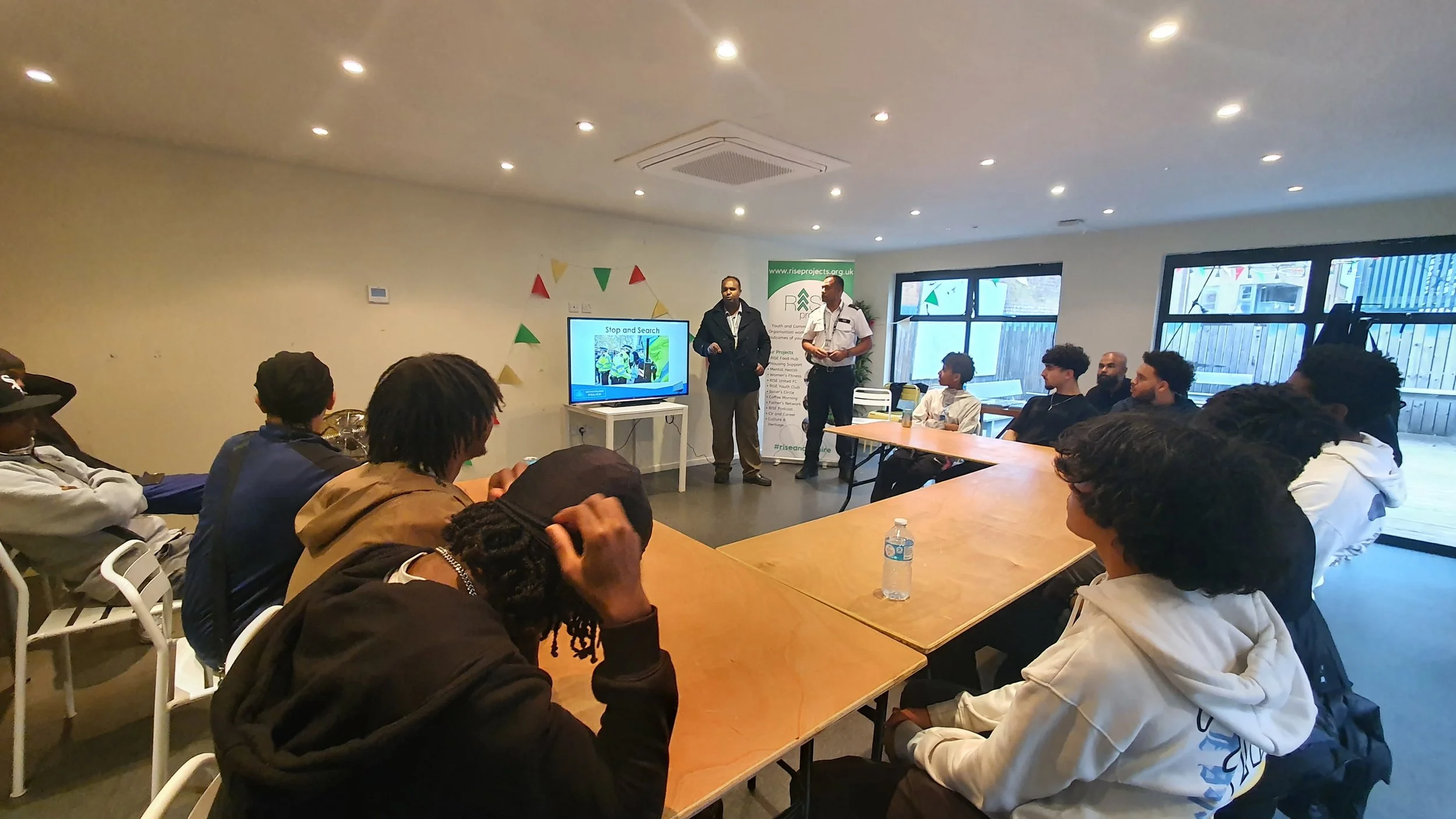
On 22 August 2024, RISE Youth Club hosted a workshop with Haringey Metropolitan Police covering knife crime, the incoming restrictions and Stop and Search.
More than 30 young people attended. The purpose was not simply to tell young people that the law was changing, but to create space for questions, discussion and better understanding of issues that can affect them and their peers.

Sport and regular positive activities form part of RISE's wider approach to youth engagement and early intervention.
“The law is important, but it cannot be the whole response. Young people also need safe spaces, trusted adults, opportunities and somewhere to talk openly about the pressures they face.”
RISE PROJECTSWhy youth provision still matters
Restricting access to dangerous weapons is one part of improving community safety. Prevention also means creating environments where young people have positive relationships, meaningful activities and support before problems escalate.
RISE's approach has therefore focused on early engagement and practical opportunities alongside community safety education.
Creating regular places where young people can meet youth workers, socialise safely and discuss issues affecting them.
Using football and other activities to build relationships, strengthen engagement and bring young people together.
Supporting confidence, decision-making and awareness of risks through mentoring, workshops and early intervention.
Helping young people access CV support, employment advice, training, placements and other routes forward.

Wider social and recreational opportunities help young people build relationships and access positive experiences beyond regular weekly provision.
Prevention needs a wider response
The 2024 ban was an important step in reducing the availability of particular weapons, but community safety cannot be achieved through legislation alone.
Young people can experience a mixture of pressures including fear, exclusion, lack of opportunity, conflict, disengagement from education and exposure to violence. Effective prevention therefore requires different organisations to work together.
Schools, youth services, families, community organisations, police, health services and local authorities all have a role in creating safer pathways for young people.
Creating alternatives
At RISE, our focus is on creating alternatives before a young person reaches crisis: positive places to go, trusted people to speak to, opportunities to develop and practical routes into education, employment and wider participation.
Laws can help reduce access to dangerous weapons. Long-term community safety also depends on giving young people reasons, relationships and opportunities that help them choose a different path.
Explore RISE's work with young people.
Find out more about youth activities, sport, development opportunities and support available through RISE.