→ 2026
Community, resilience and progress.
A decade of creating opportunities, responding to change and growing alongside the communities we serve.
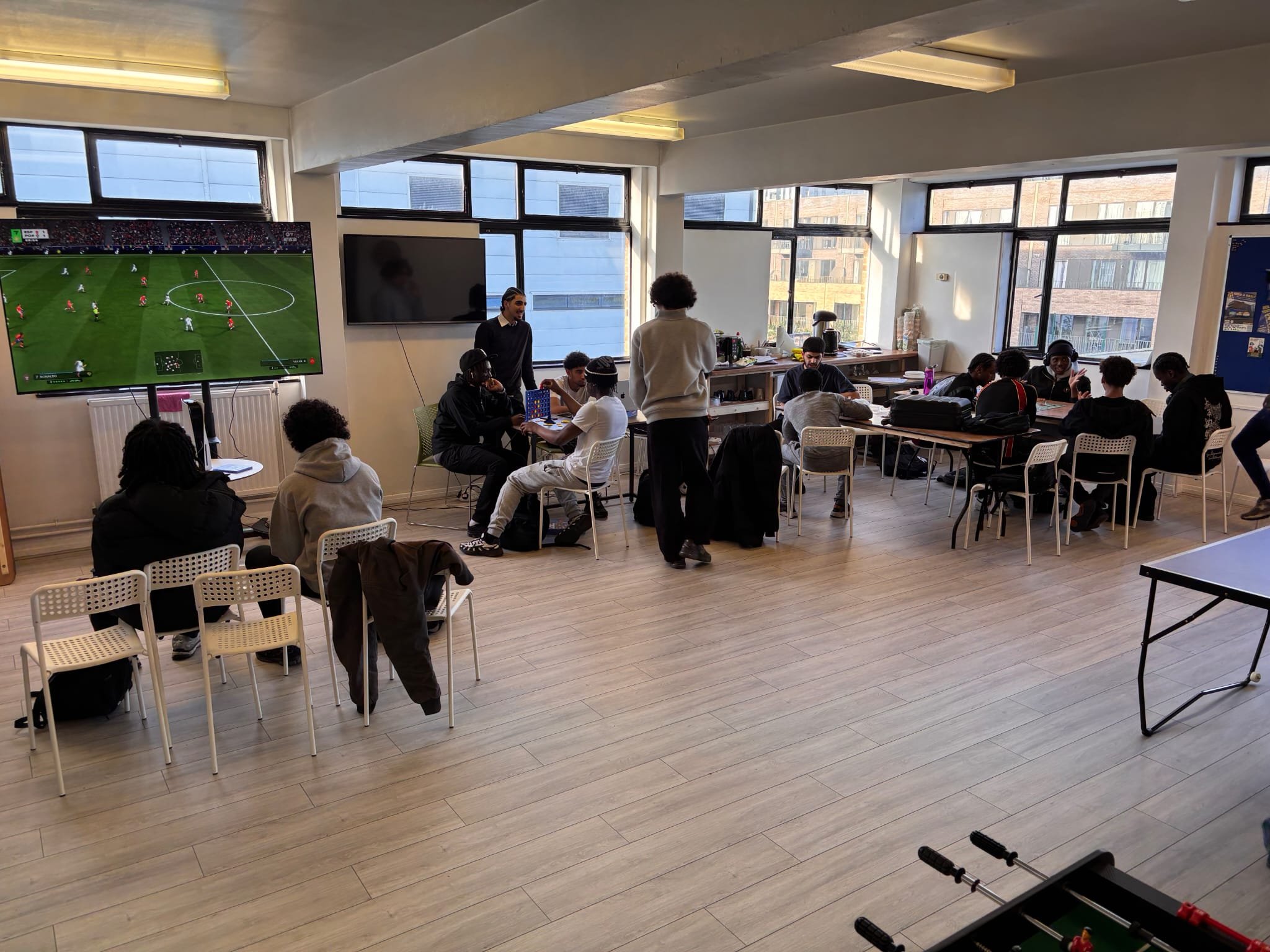
Ten years is long enough to see how much has changed. It is also close enough to remember the difficult moments, the uncertainty and the times when progress was far from guaranteed.
RISE Projects began in 2016 with a simple belief: communities are strongest when people have the opportunity, support and space to move forward.
What started as grassroots community work in Tottenham has grown into an organisation working across youth, health and wellbeing, families and community, housing and advice, employment, opportunities and community voice.
But the journey was never a straight line.
There were programmes that grew, others that changed, periods of financial uncertainty and moments when community need was much greater than our capacity to respond. During COVID-19, RISE reached a point where closing the organisation altogether became a genuine possibility.
We kept going.
Thousands of moments. One shared journey.
Ten years of young people, families, volunteers, staff, partnerships, community events, challenges, conversations and opportunities.
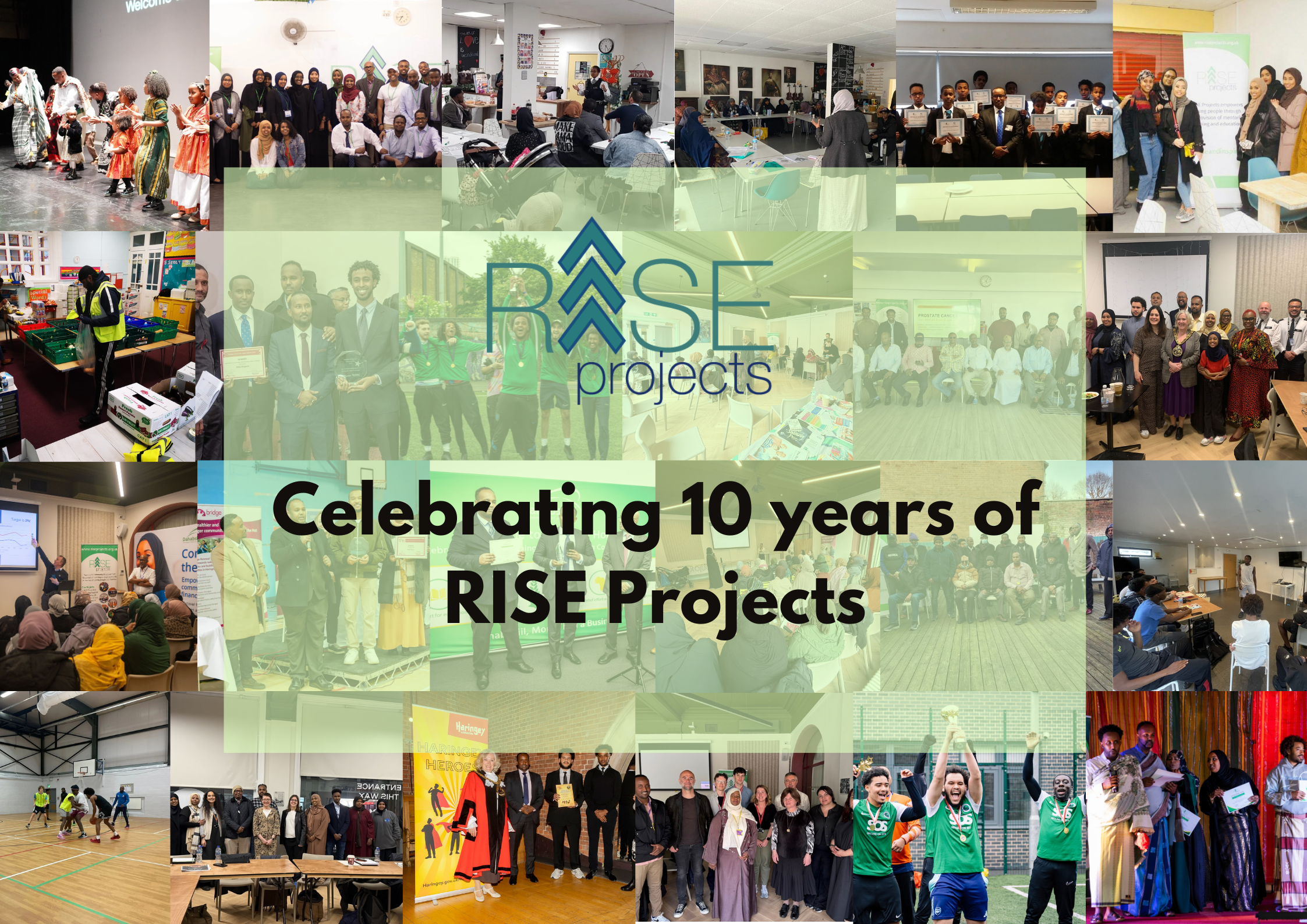
Ten years of growing with the community.
RISE has developed by listening, learning and responding. New areas of work have rarely appeared because they looked good on an organisational plan. They have usually grown from what residents and young people were telling us they needed.
Starting at grassroots level.
RISE Projects was established in 2016 with a commitment to creating opportunities and strengthening community participation in Tottenham and Haringey.
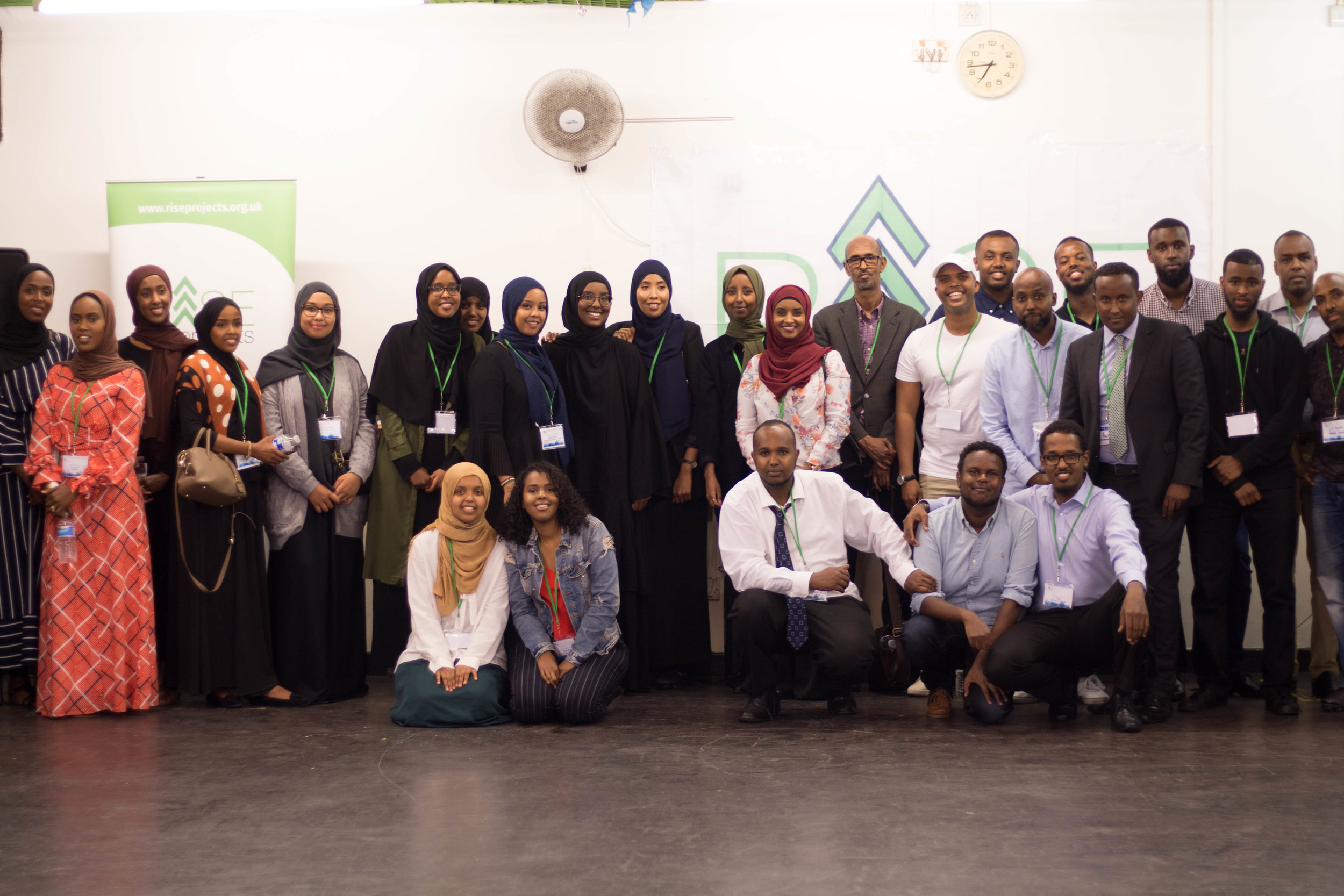
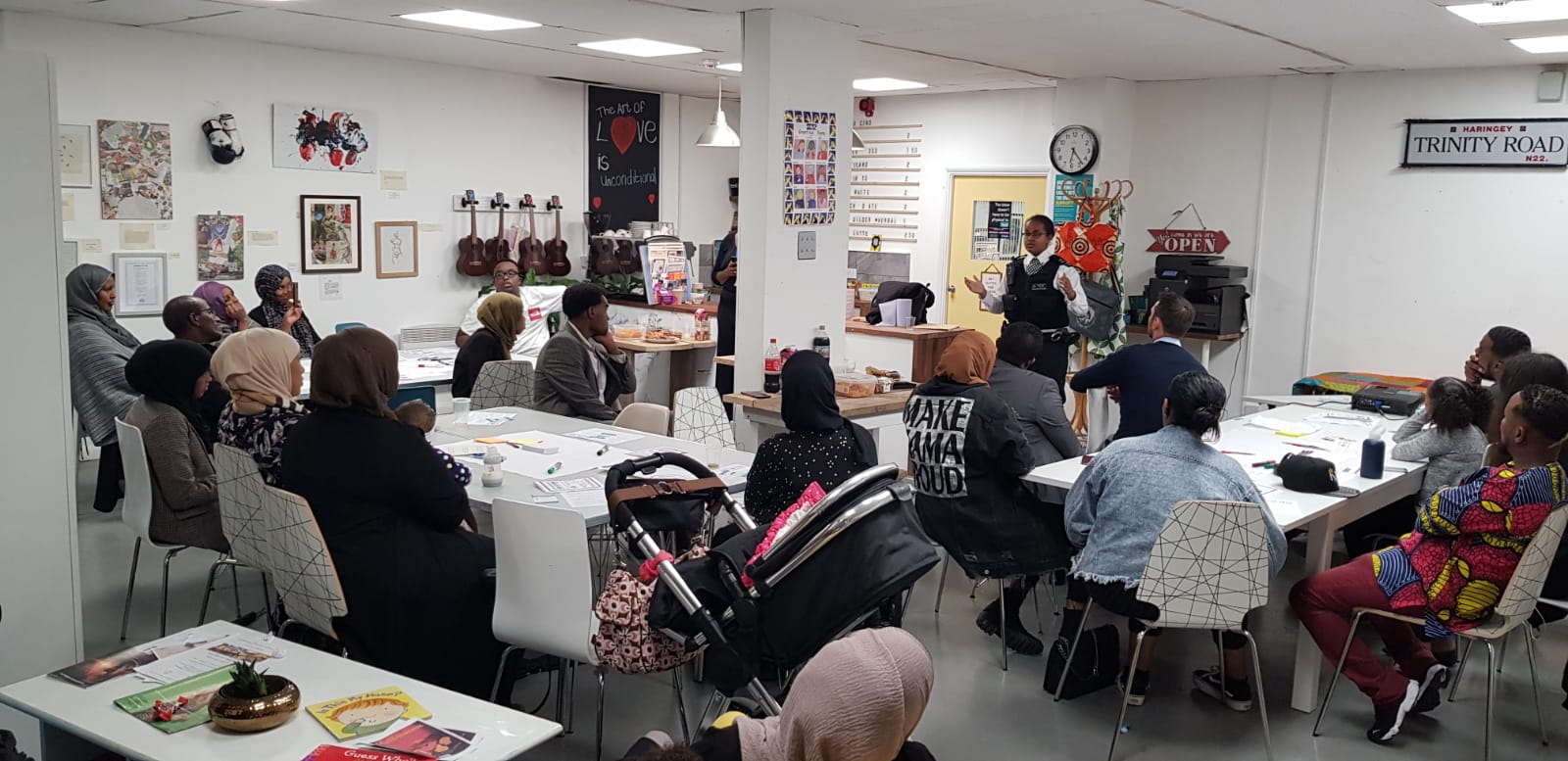
Young people and community safety were important from the beginning. Early work created spaces for residents to talk about issues affecting their lives while giving young people positive activities, information and opportunities to develop.
In 2018, RISE took part in National Hate Crime Awareness Week, bringing community members together with public services to talk about hate crime, reporting and community safety.
These early years were about building credibility slowly: being present, listening and showing that RISE would continue turning up.
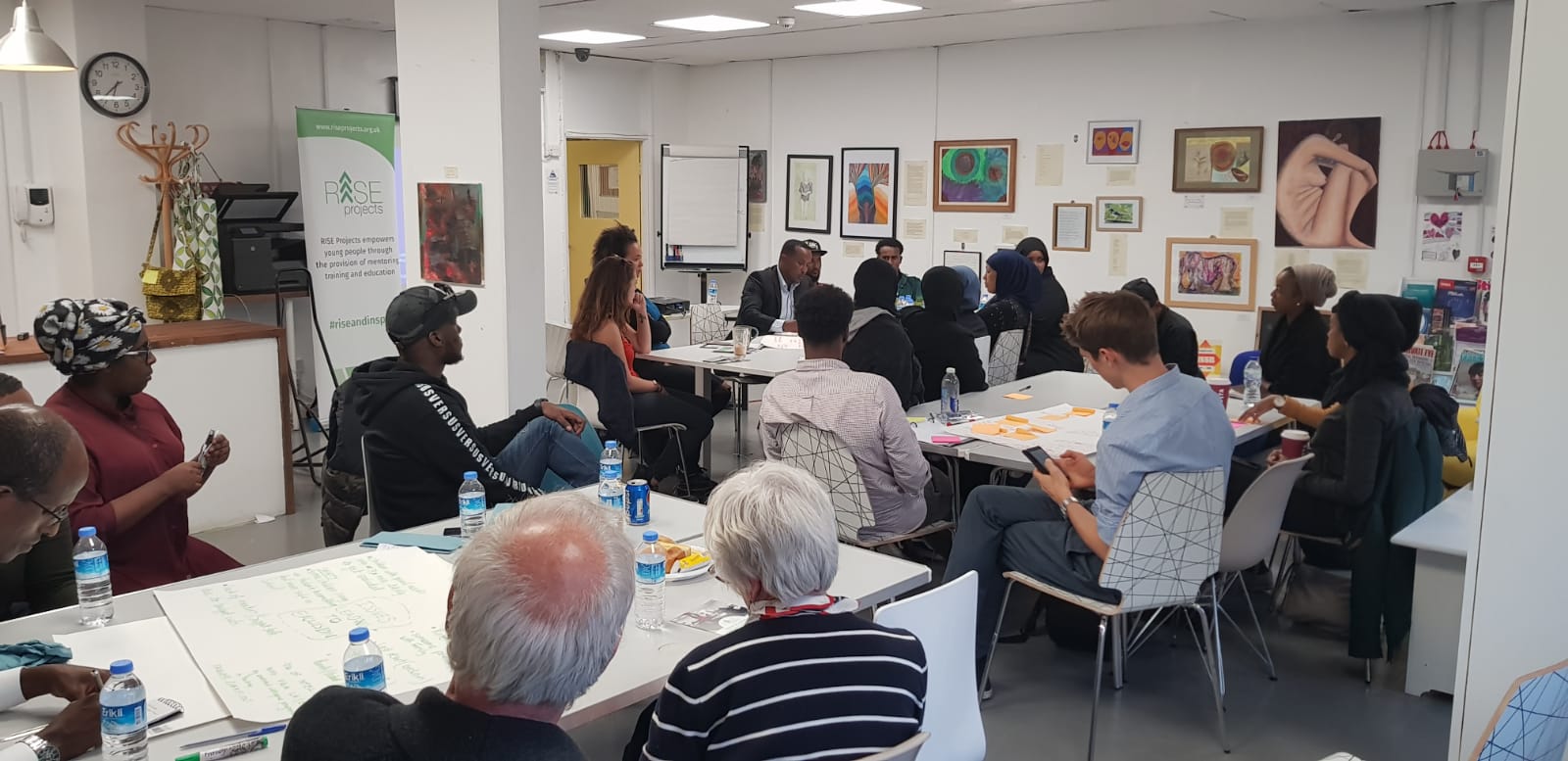
Creating spaces for young people.
Youth provision became increasingly central to RISE. Youth clubs, careers activity, mentoring and personal development created opportunities for young people to connect with trusted adults and think differently about their futures.
The RISE Youth Club provided a regular safe space where young people could socialise, take part in activities and have conversations about education, employment, confidence, community safety and the pressures affecting them.
Careers and mentoring activity also began creating a clearer progression route. RISE increasingly understood that engagement was only the beginning. The bigger question was what opportunities could follow.
When everything changed.
COVID-19 disrupted almost everything RISE had spent the previous years building.
Face-to-face youth work stopped. Families lost income. Children were out of school. Isolation increased and existing inequalities became more visible.
RISE was also facing its own uncertainty. At one point, the future of the organisation was genuinely in question. Closing the doors became a real possibility.
Instead of closing, RISE changed course. The immediate question became less about what we had planned to deliver and more about what the community needed at that moment.
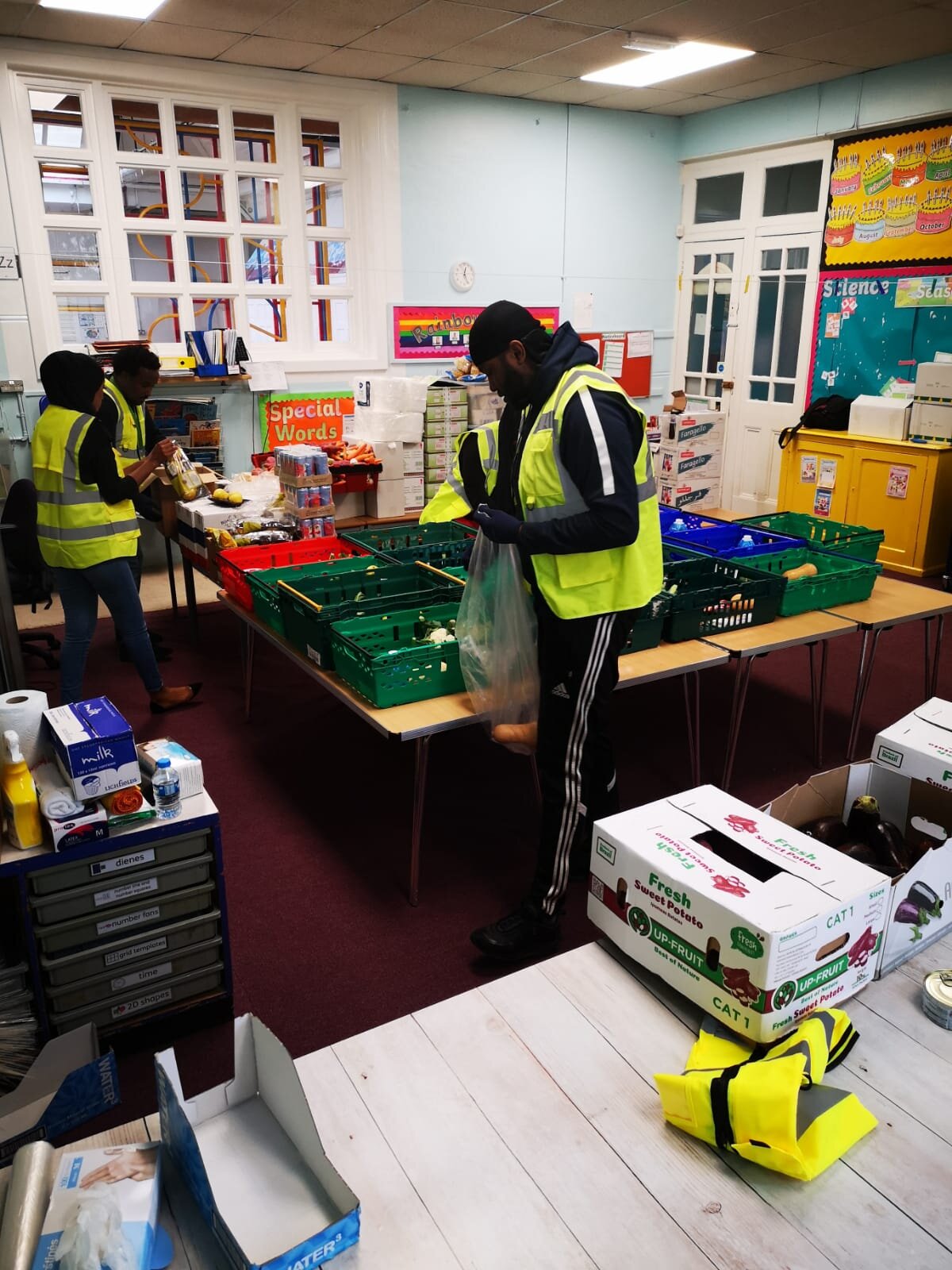
A community food response was established. Volunteers collected, prepared and distributed essential food and household supplies to residents facing hardship, food insecurity and isolation.
Week after week, people gave their time to make sure families had food and practical support during an extraordinary period.
COVID became a turning point for RISE. It showed how quickly community need could change and reinforced a principle that continues to shape the organisation today: being community-led sometimes means changing direction completely.

Rebuilding and reconnecting.
Emerging from the pandemic did not mean simply returning to where things had been.
Young people's education, employment, confidence and social lives had been disrupted. RISE rebuilt its face-to-face work while increasing its focus on progression and opportunity.
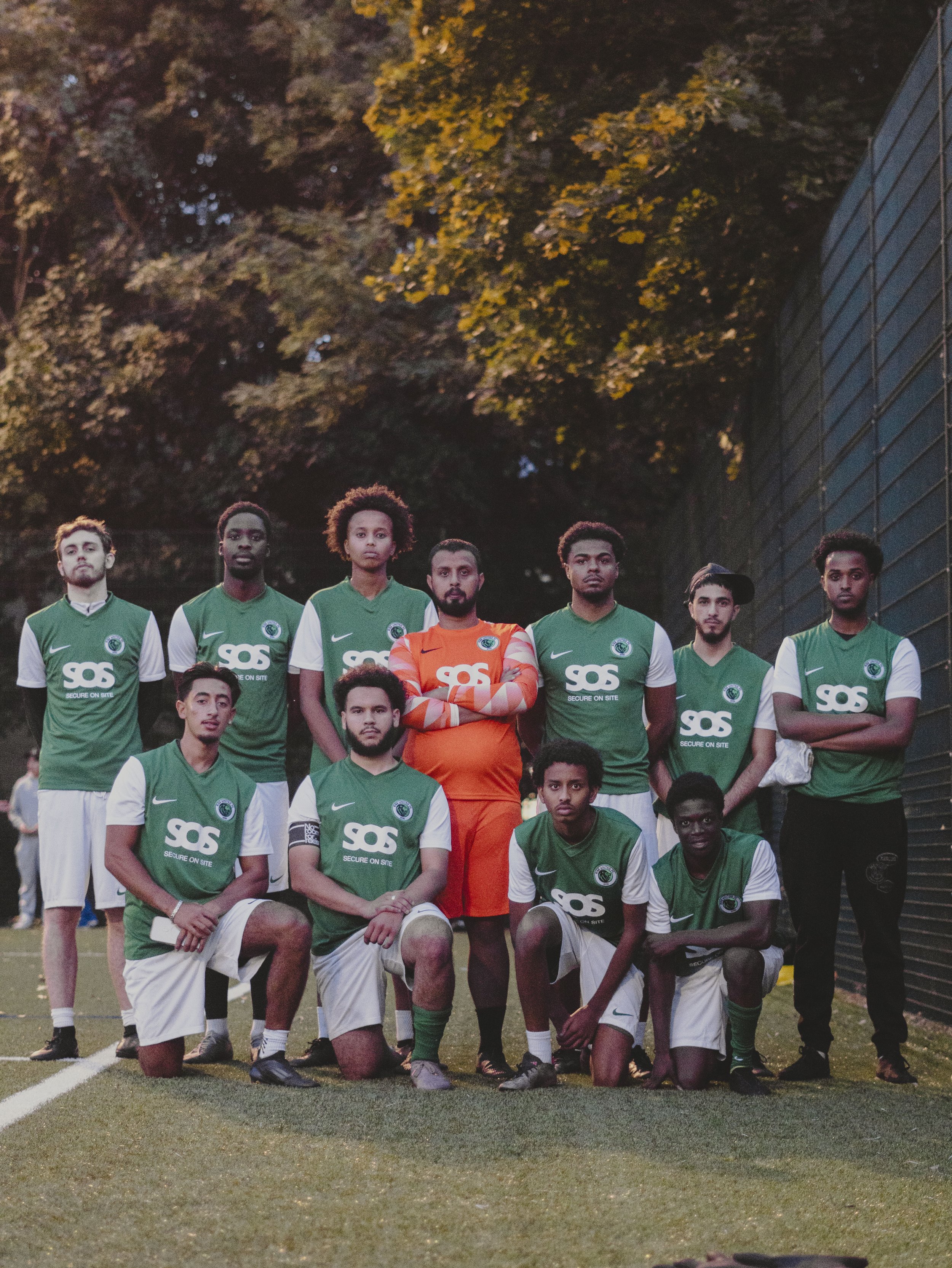
Football became one of the strongest routes back into engagement. What began as sport increasingly became a gateway into mentoring, qualifications, employment support, personal development and wider opportunities.
Engagement builds relationships. Relationships build trust. Trust creates the opportunity for deeper support.
From NEET to a career in data analytics.
Volunteering became employment. Employment led to training. Training opened a route into a professional career.
I had dropped out of my A-levels and spent a year as a NEET before I came across RISE Projects. They gave me an opportunity to volunteer, and after impressing the team I secured a job with RISE.Former RISE young person and volunteer
Later, an opportunity came through one of RISE's partners to train people in data analytics. With encouragement from the manager, I applied and secured a graduate placement. I completed the programme over the following year and then secured my first job as a data analyst.
RISE gave me hope, guidance and the opportunity to improve my life.
Becoming more than a youth organisation.
As relationships deepened, the issues residents brought to RISE became broader. Mental health, family wellbeing, financial pressures, culture, housing, employment and access to services increasingly sat alongside youth provision.

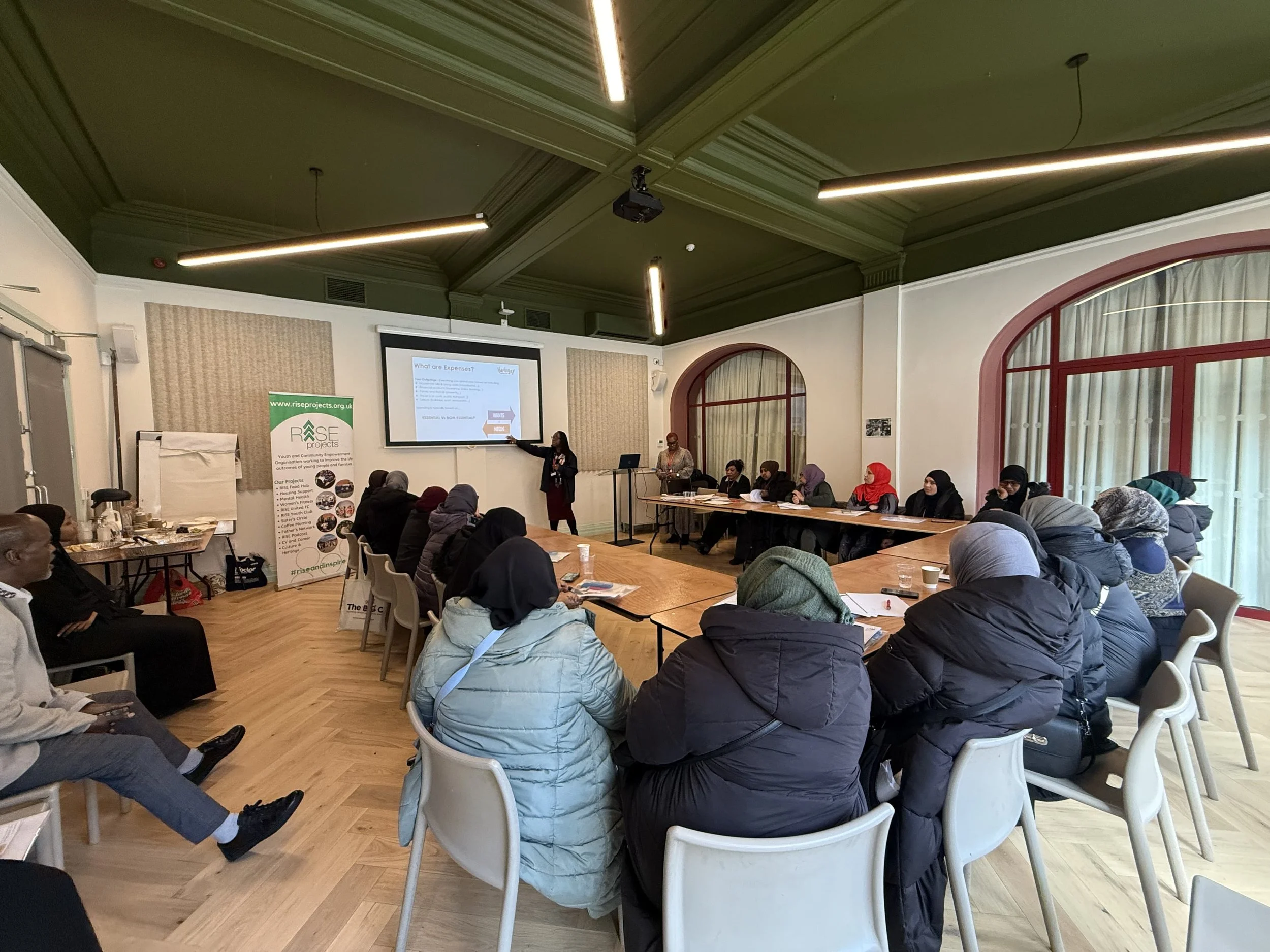
Mental health and wellbeing became a growing area of work, particularly through culturally informed community engagement and helping residents navigate support.
Women's groups, fathers' spaces and family activity created trusted environments where people could connect while also accessing practical information and support.
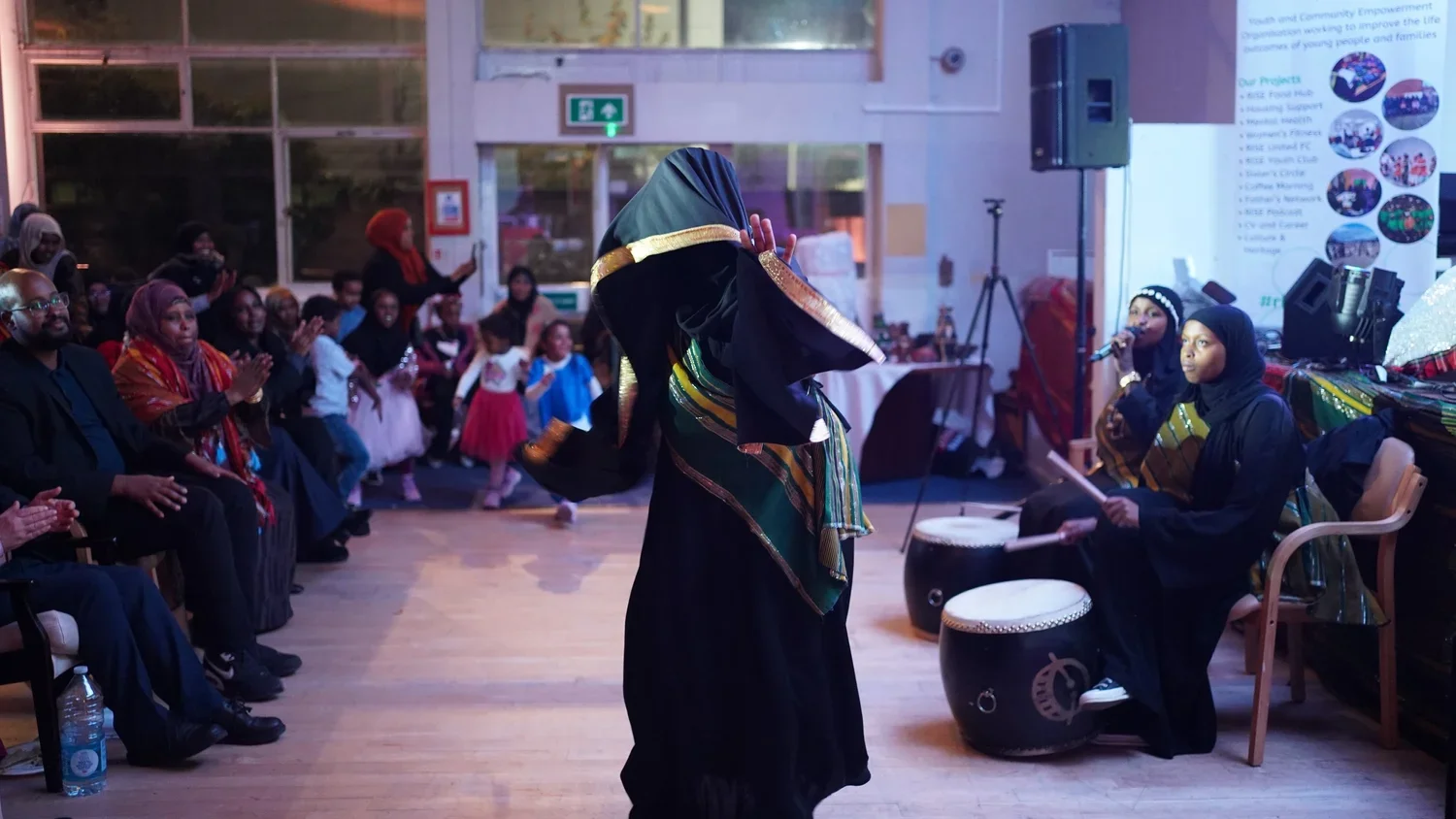
Somali Culture Night developed into an annual celebration bringing generations together through music, poetry, performance and heritage.
Housing, welfare and employment support also became increasingly important as residents faced rising rents, financial pressure and a difficult cost-of-living environment.
RISE was learning that people do not experience their lives in separate programmes. Housing can affect health. Unemployment can affect confidence. Financial pressure affects family life. Isolation affects wellbeing.
Health closer to the community.
COVID exposed inequalities that were already present. In the years that followed, health and wellbeing developed from an emerging strand of RISE's work into one of the organisation's central areas of activity.
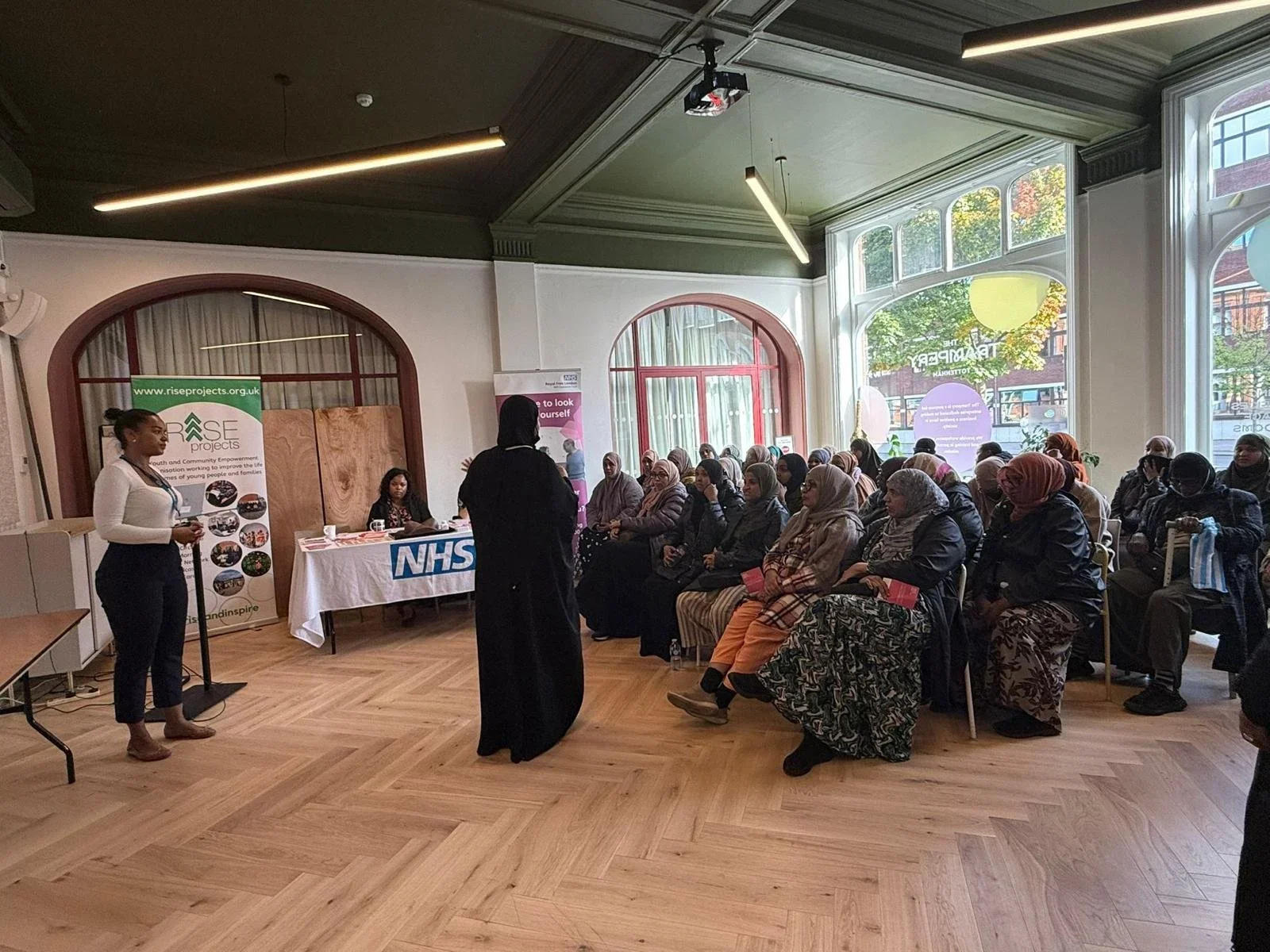
The focus increasingly became bringing trusted information, health professionals and opportunities for prevention closer to communities rather than expecting residents always to navigate unfamiliar systems by themselves.
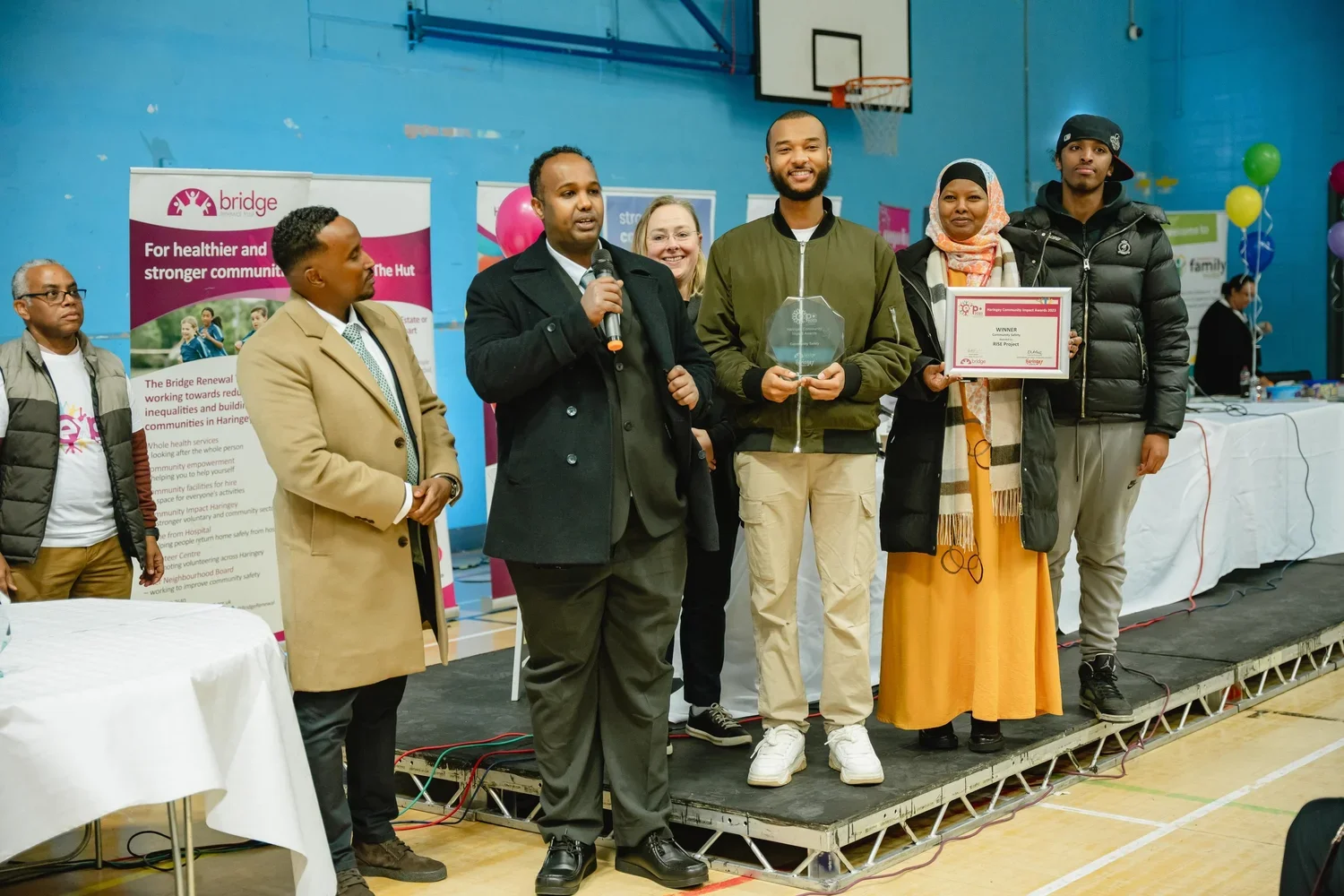
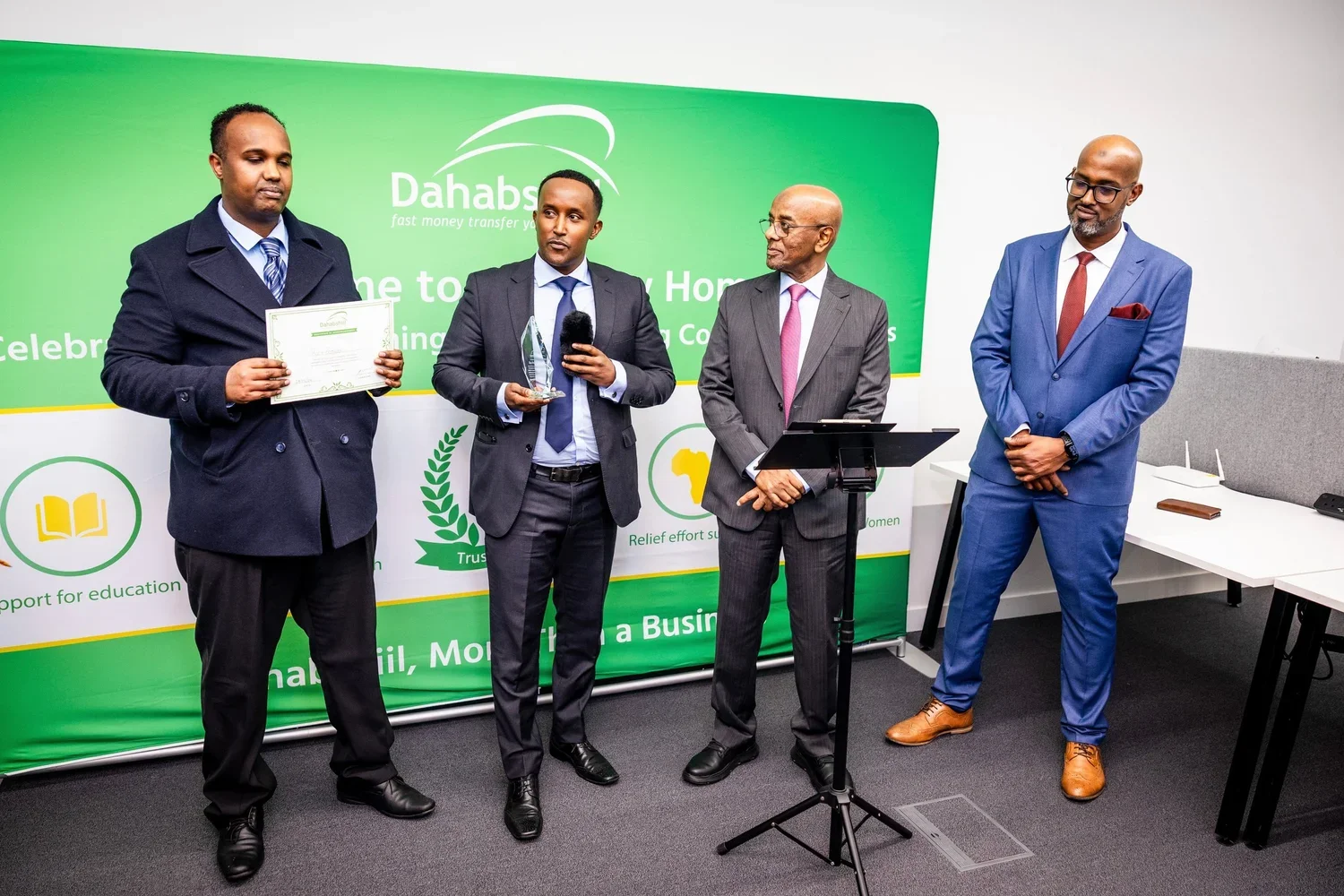
Recognition was never the reason for the work.
But awards provided important moments to acknowledge the contribution of staff, volunteers, young people and communities who helped build RISE.
Progress was never guaranteed.
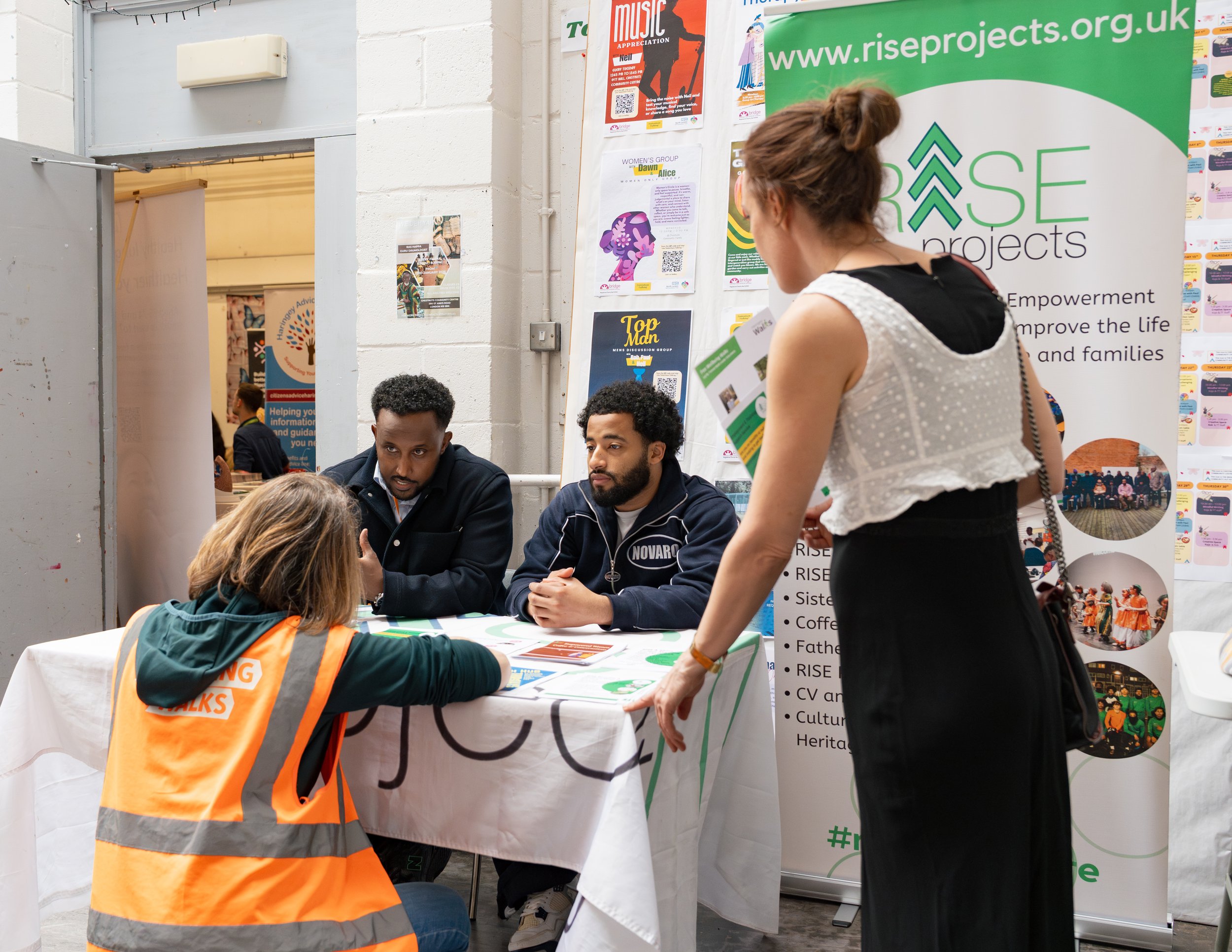
Ten years of community work cannot be reduced to photographs of successful events.
RISE grew during a period when voluntary and community organisations were under considerable pressure. Funding was often short term while demand for support continued to grow.
There were unsuccessful funding applications, programmes that were difficult to sustain and periods when the needs coming through the door were greater than the organisation's capacity to respond.
For years, RISE delivered from different venues without a permanent home. COVID brought perhaps the most serious challenge, including a period when the organisation came close to closing, but it was not the only difficult moment.
Growth itself brought responsibility. More programmes required stronger systems. More staff required better management. More partnerships required greater accountability.
Those challenges are part of the RISE story too.
A permanent home.
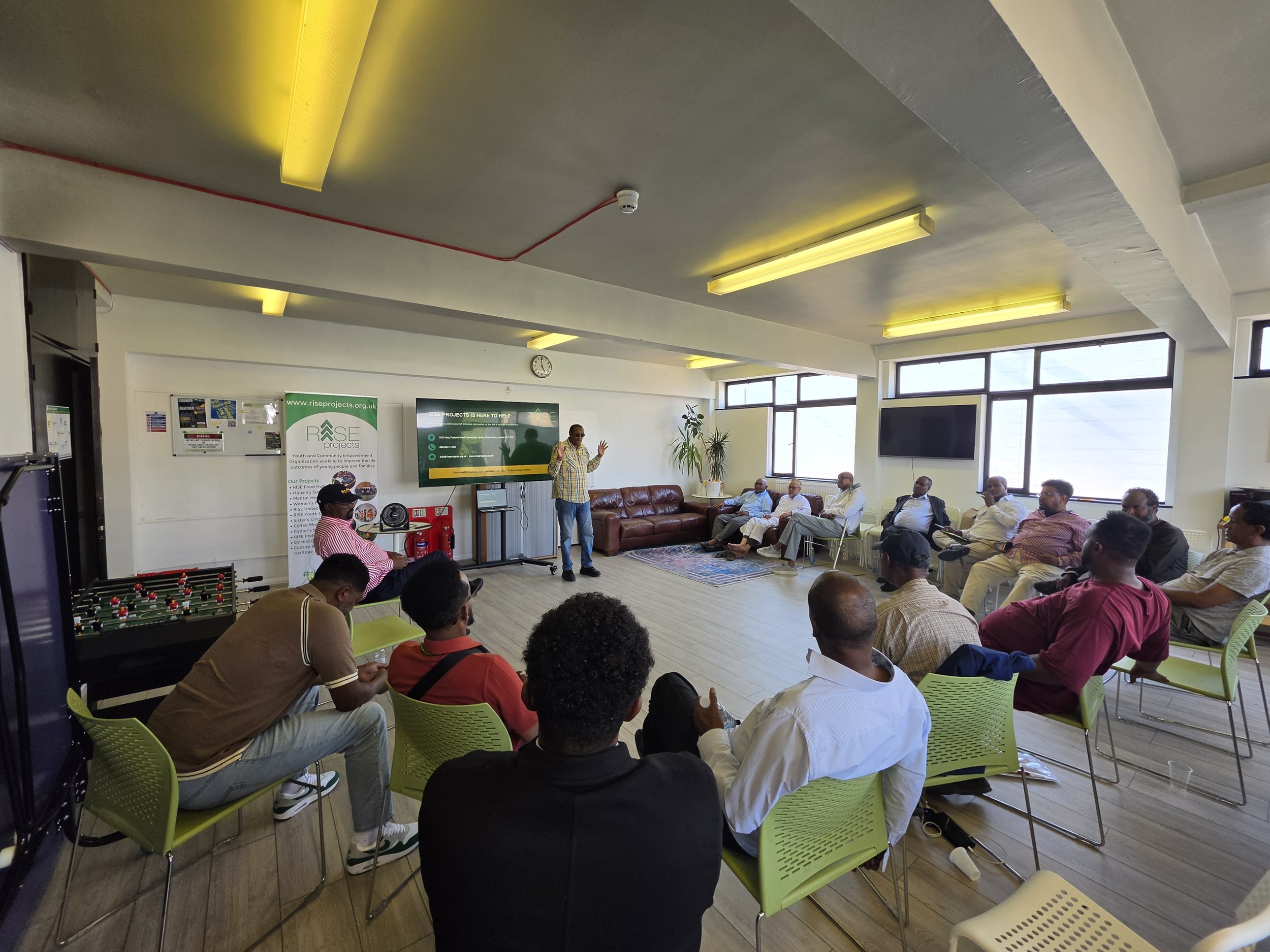
After years of delivering programmes from different venues, one of the most significant milestones in the RISE journey arrived in 2026 with the opening of the RISE Hub at Pretoria Road Community Centre in Tottenham.
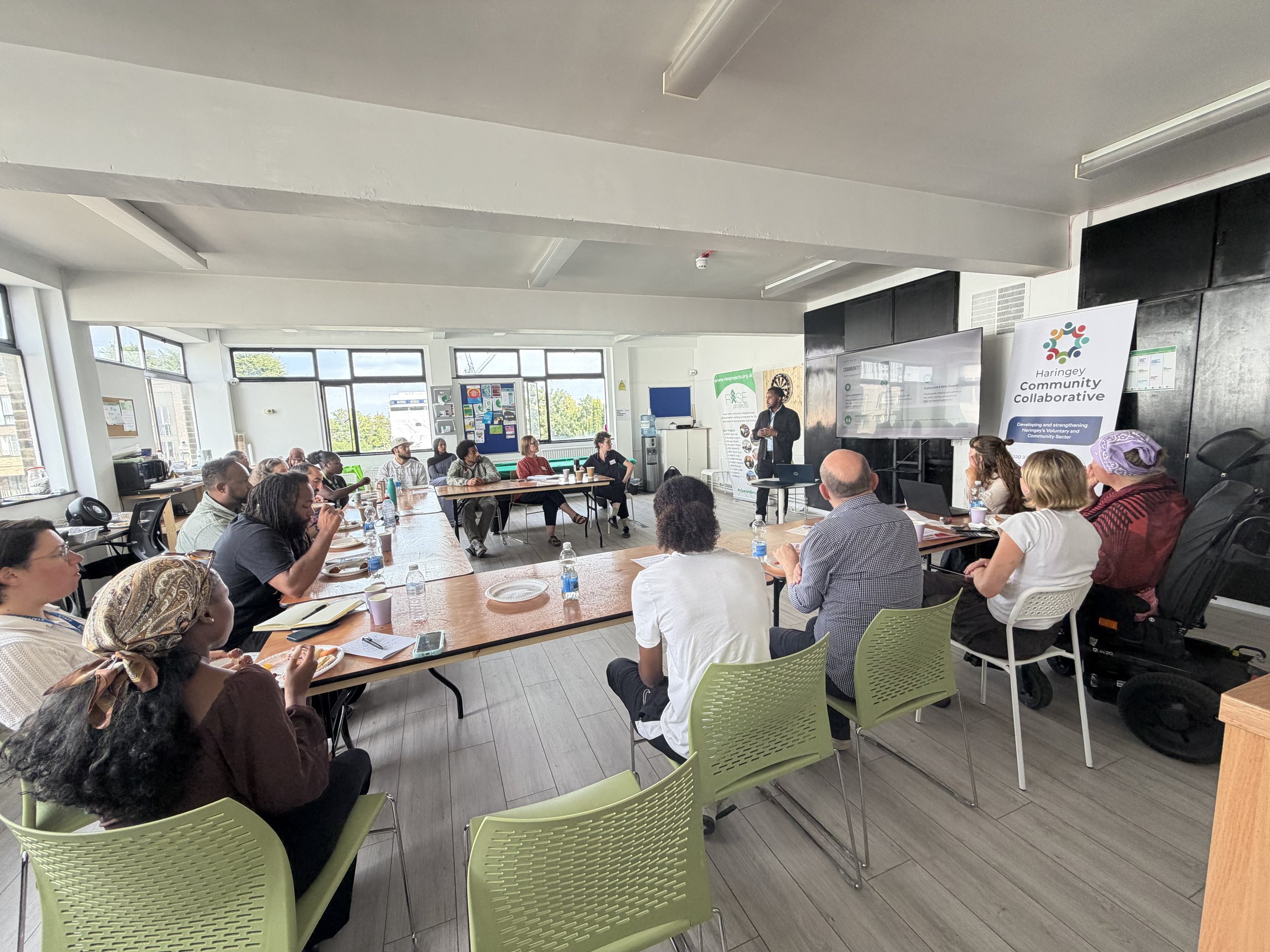
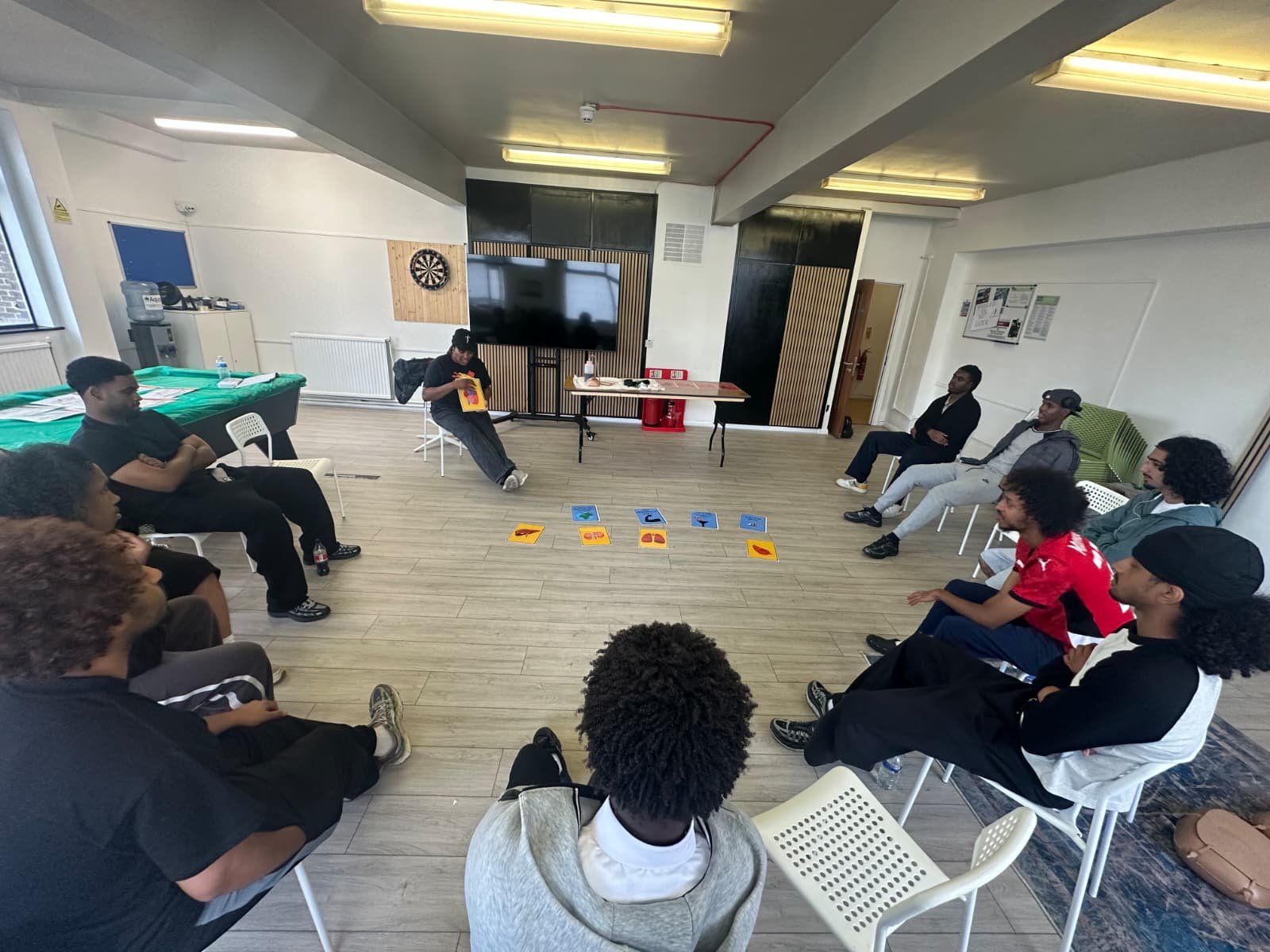
The Hub now brings together youth activity, women's programmes, men's wellbeing, housing and welfare support, employment assistance, health activity, community events and partnership work.
Its importance goes beyond the programmes delivered inside it.
The Hub represents the shift from delivering individual community projects towards building community infrastructure: a place people know, trust and can return to.
From local experience to wider conversations.
As RISE became more established, its role increasingly extended beyond delivering activities.
Community knowledge built through years of engagement began informing research, partnerships and conversations about how services and opportunities could work better.
Work with the International Organization for Migration around remittances and financial inclusion reflected another part of that development.
This emerging research and community-intelligence work is now becoming an increasingly important part of RISE's next chapter.
Ten years in brief.
The organisation did not arrive where it is today through one programme or one moment. The journey was cumulative.
Grassroots community engagement and opportunities for young people.
Youth engagement, hate-crime awareness and stronger community participation.
Youth provision, mentoring, careers and personal development expand.
RISE comes close to closing but adapts through emergency community support.
Face-to-face engagement returns with renewed focus on progression and opportunity.
Mental health, wellbeing, fathers, families and culture become larger strands.
Health inequalities, practical support and stronger partnerships develop further.
Youth, health, families, advice and opportunities increasingly come together under one roof.
Community work is built slowly.
The next chapter starts here.
The next decade should not simply be about becoming bigger. It should be about becoming stronger.
Stronger youth pathways that move young people from participation into skills, volunteering, employment and leadership.
Better support for families and residents facing housing, welfare and employment challenges.
Health and wellbeing activity that continues bringing trusted information, prevention and professional support closer to communities.
A RISE Hub that develops further as a piece of community infrastructure.
And stronger research and community insight so that what residents experience can contribute to the services, policies and decisions that affect them.
Ten years ago, RISE began by asking what was missing and what could be done.
That question still matters.
Thank you to everyone who has been part of the journey.
To every resident, young person, volunteer, staff member, partner, funder and supporter who has contributed since 2016: this milestone belongs to all of you.